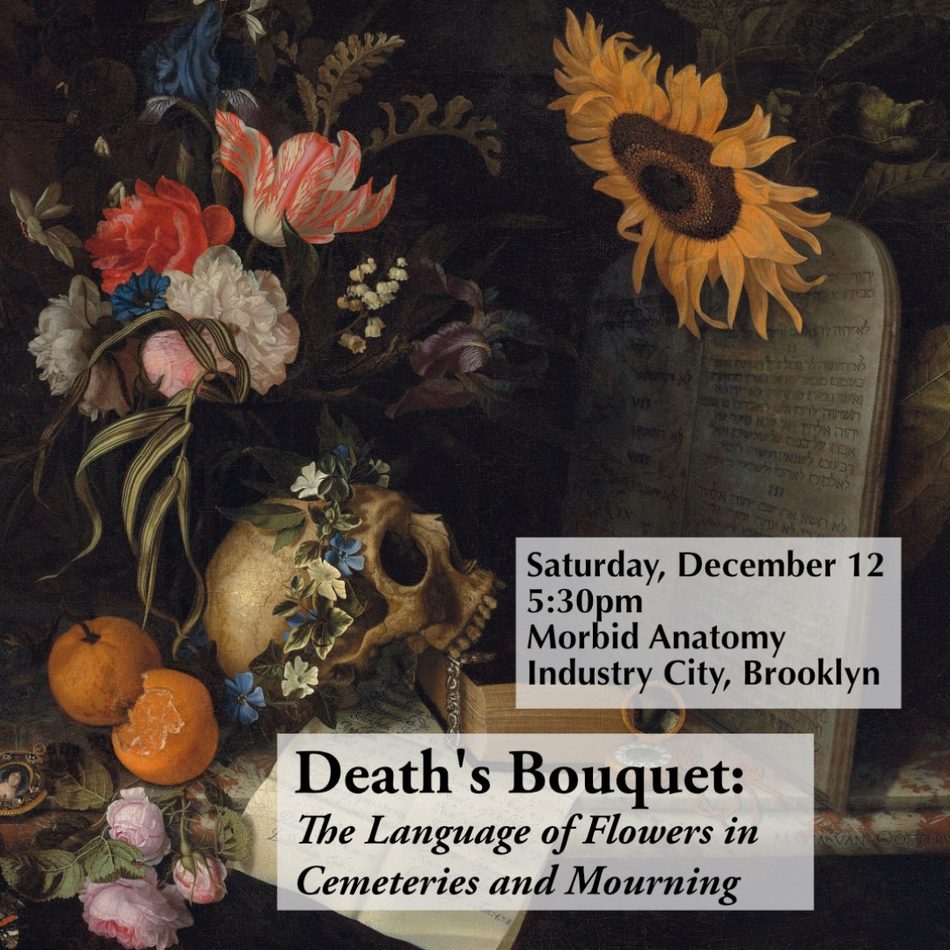
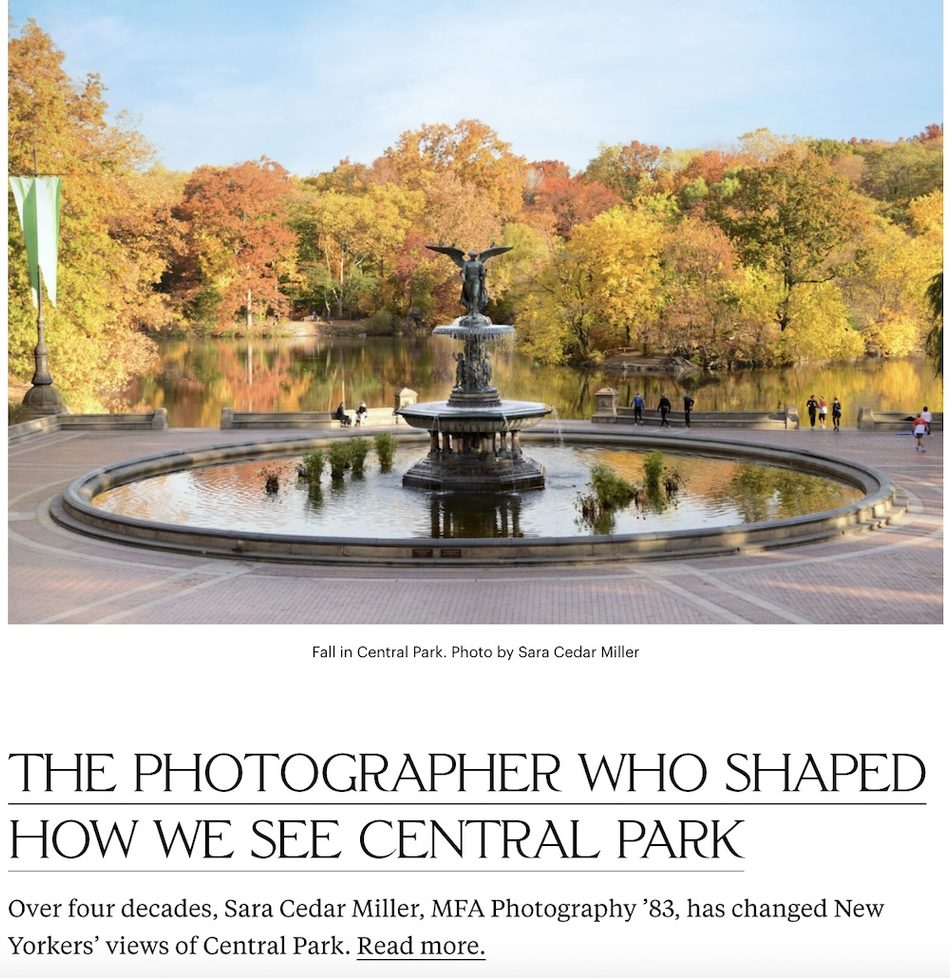
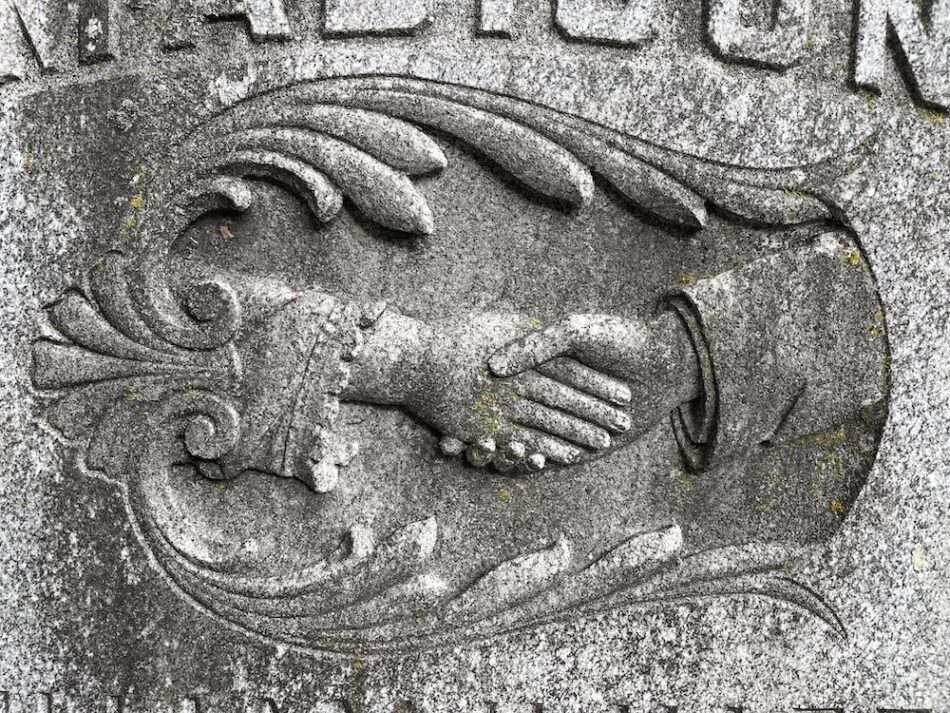
On Saturday, December 12, I’ll be giving a talk at the brand new Morbid Anatomy space in Brooklyn’s Industry City on “Death’s Bouquet: The Language of Flowers in Cemeteries and Mourning.” Complemented by the memorial hairwork now installed at Morbid Anatomy from Leila’s Hair Museum, we will delve into how flowers have been used to express messages of love, mortality, and remembrance. Register here.
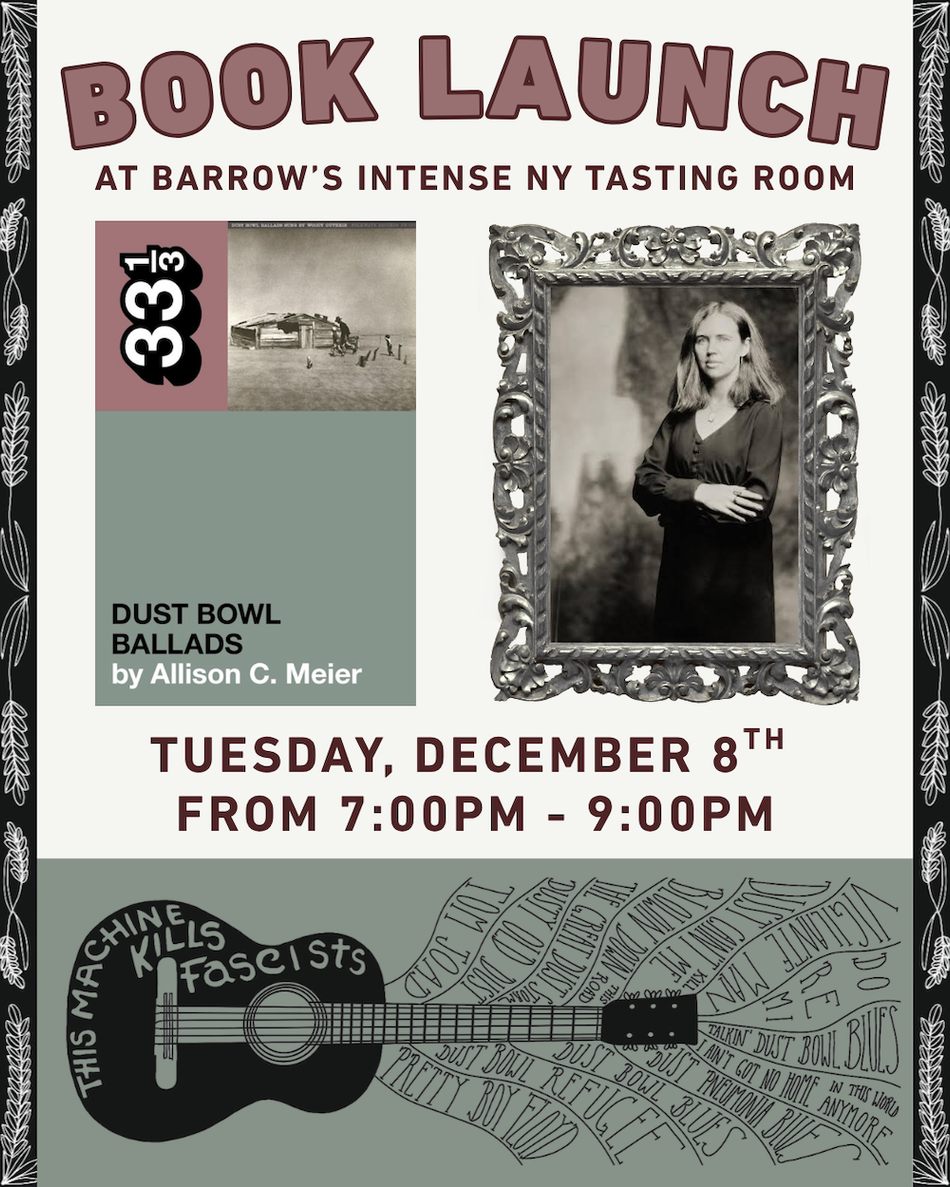
Mark your calendars for December 8: I’ll be having a book launch celebration for my new 33 1/3 book release on Woody Guthrie’s Dust Bowl Ballads at Barrow’s Intense Tasting Room in Brooklyn’s Industry City! Pick up a signed copy of the book, get a souvenir bookmark (with art by my friend Bronwyn Hazelwood previewed on this flyer!), partake in other surprises, and hear why Guthrie, with his “This Machine Kills Fascists” emblazoned guitar, is still essential listening today. And most importantly raise a glass to Woody, who would often say, “take it easy, but take it.”
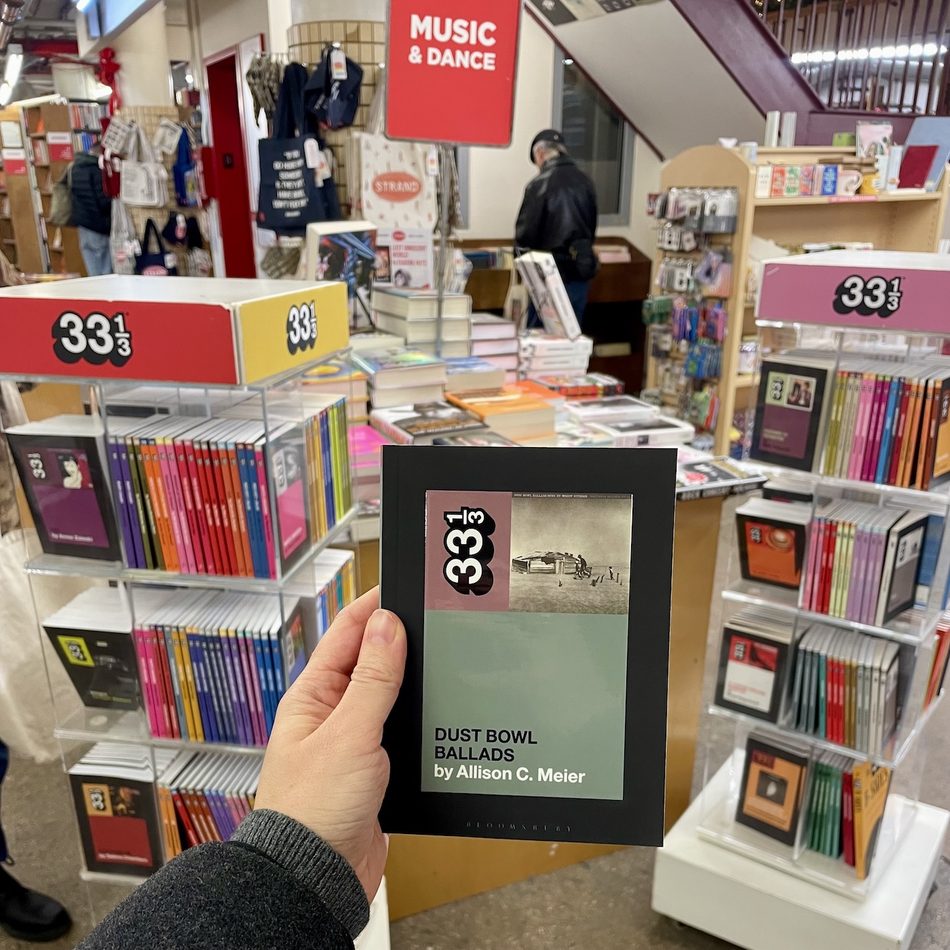
Today my little book on Woody Guthrie’s 1940 ‘Dust Bowl Ballads’ album is officially published in Bloomsbury’s 33 1/3 series. I’m super proud to bring Guthrie into the mix as I believe his music still has so much to say about how to survive together when it seems like everything is falling apart and how you can make art that draws attention to human-driven ecological collapse, government sanctioned violence, police brutality, and the mistreatment of migrants. And do it with a lot of humor, too. As Guthrie put it: All you can write is what you see, and all you fascists are bound to lose. 🌪️ ♥️
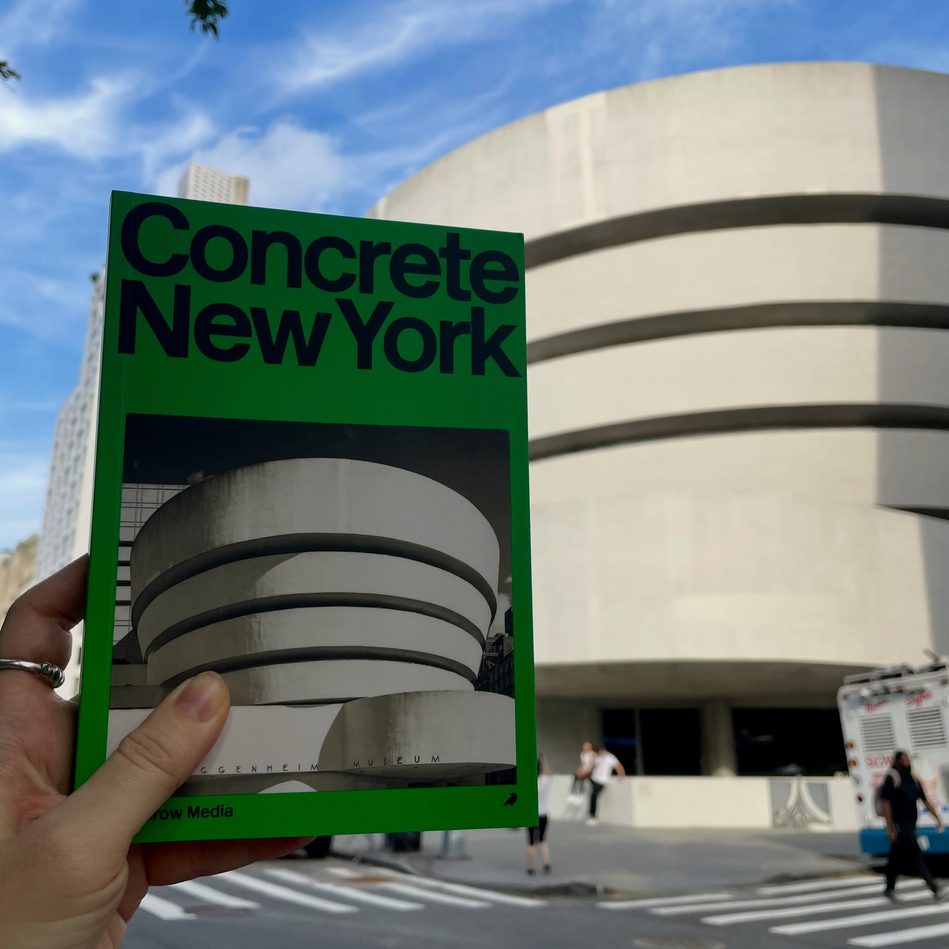
The new Concrete New York book I wrote for Blue Crow Media with original photography by Jason Woods is making its debut in stores worldwide this November! After authoring five (!) NYC maps for Blue Crow, it was so awesome to work on this longer project that highlights over 50 buildings across the five boroughs, from postwar Brutalism to contemporary architectural experiments. There are familiar icons like its cover star, the Guggenheim, and under-appreciated structures including churches, housing, libraries, infrastructure, and universities. You can pick up a copy via Blue Crow Media or for US orders, via Bookshop.org to connect to a local bookstore.
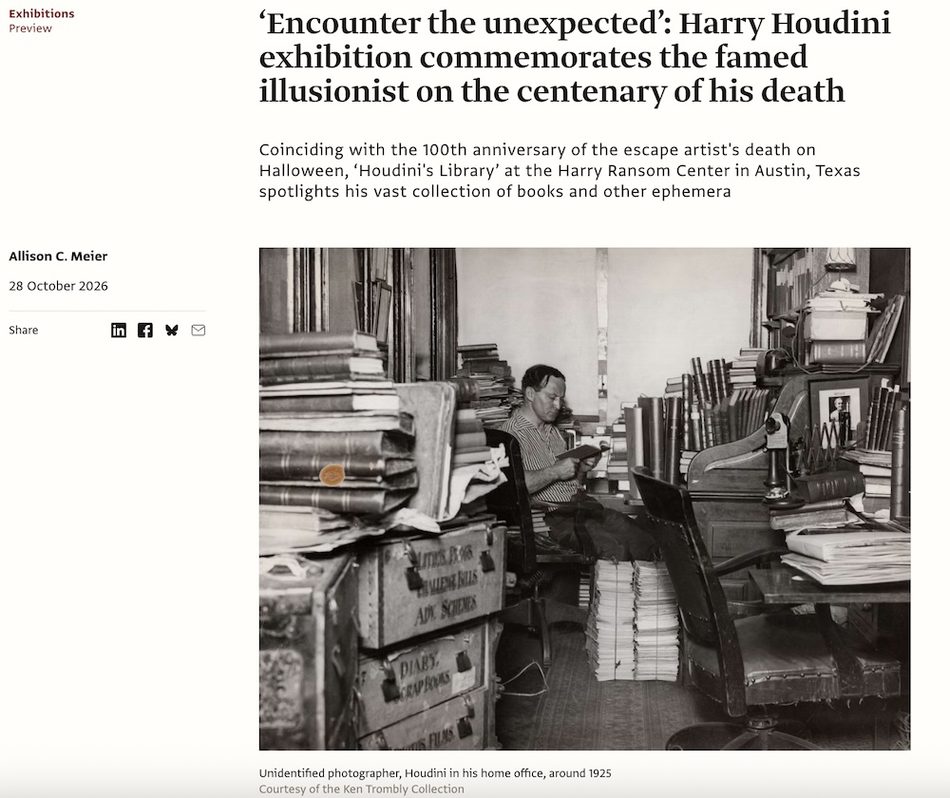
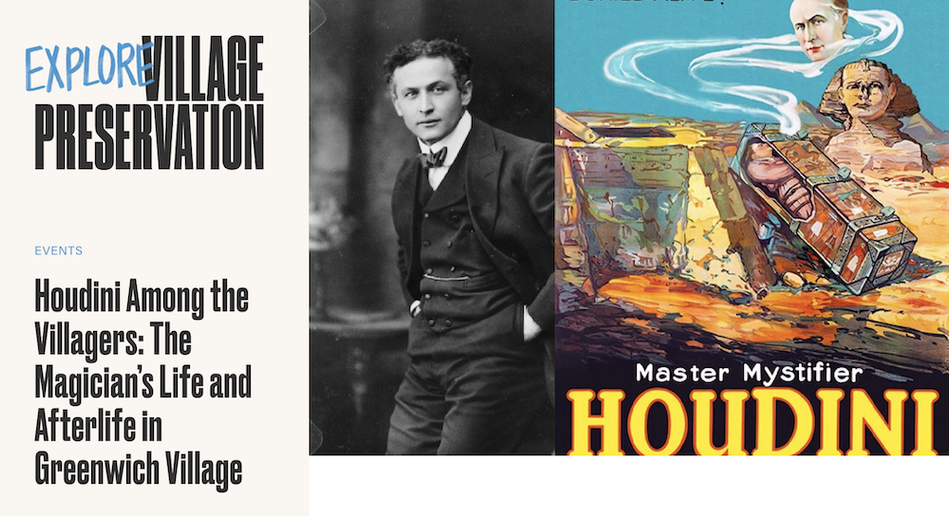
Alongside the 100th anniversary of Harry Houdini’s death, I reported on his extensive library for the Art Newspaper. The story spotlights an exhibition at the Harry Ransom Center in Austin, where many of the volumes that once packed his Manhattan townhouse are now held. Read all about it here.
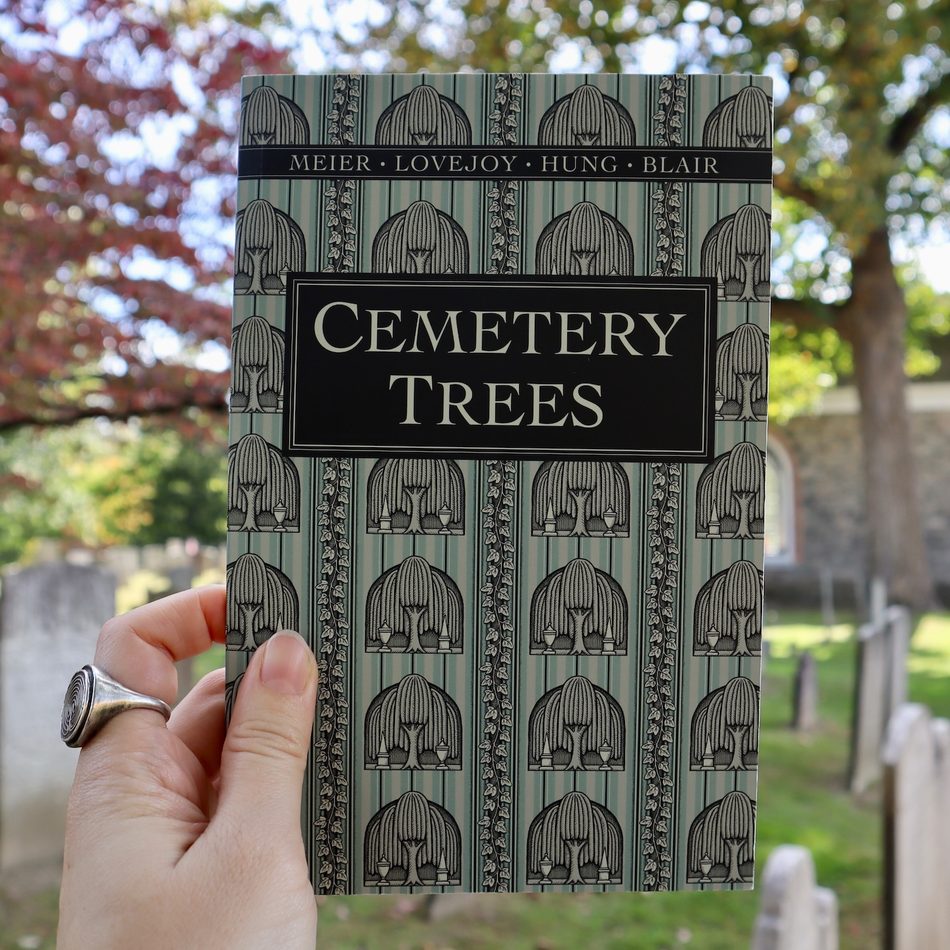
Do you, like me, enjoy trees AND cemeteries?? Then big news: there is a brand new Cemetery Trees zine I collaborated on with the all-star taphophile team of Bess Lovejoy, Landis Blair, and Louise Hung. It’s got art, tales of spooky trees, death folklore, and much more! If you are interested in its first, limited run, send me a message on Instagram.
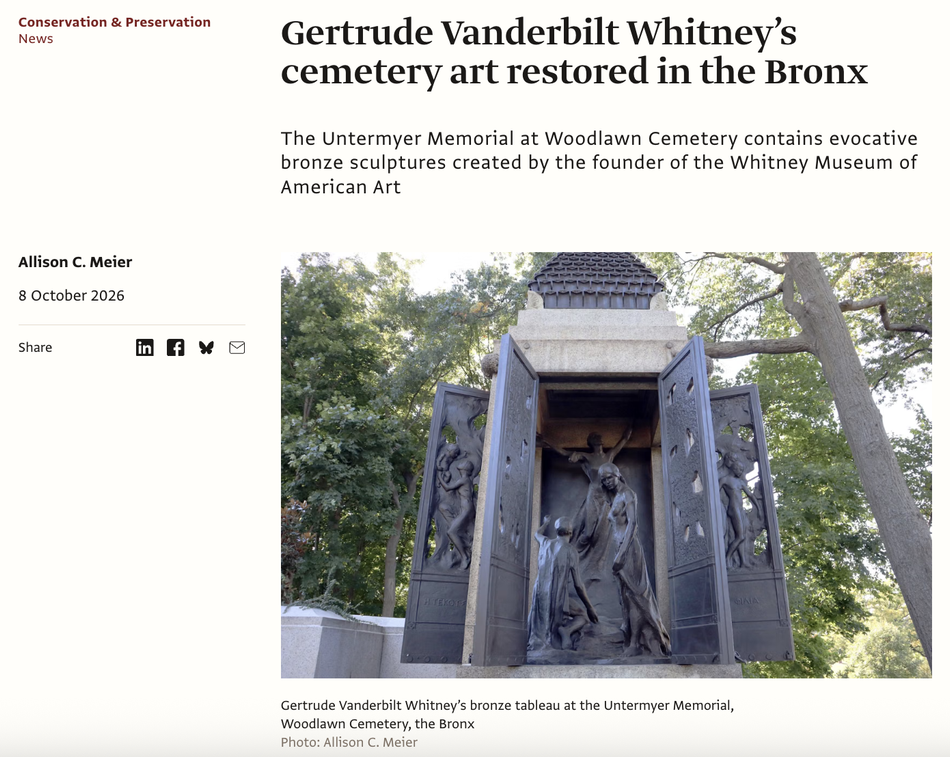
For theArt Newspaper, I reported on the restoration of the Untermyer Memorial at Woodlawn Cemetery in the Bronx. It features a stunning sculptural work by Gertrude Vanderbilt Whitney, the founder of the Whitney Museum of American Art. Read all about one of the most beautiful, yet little known, places in NYC.
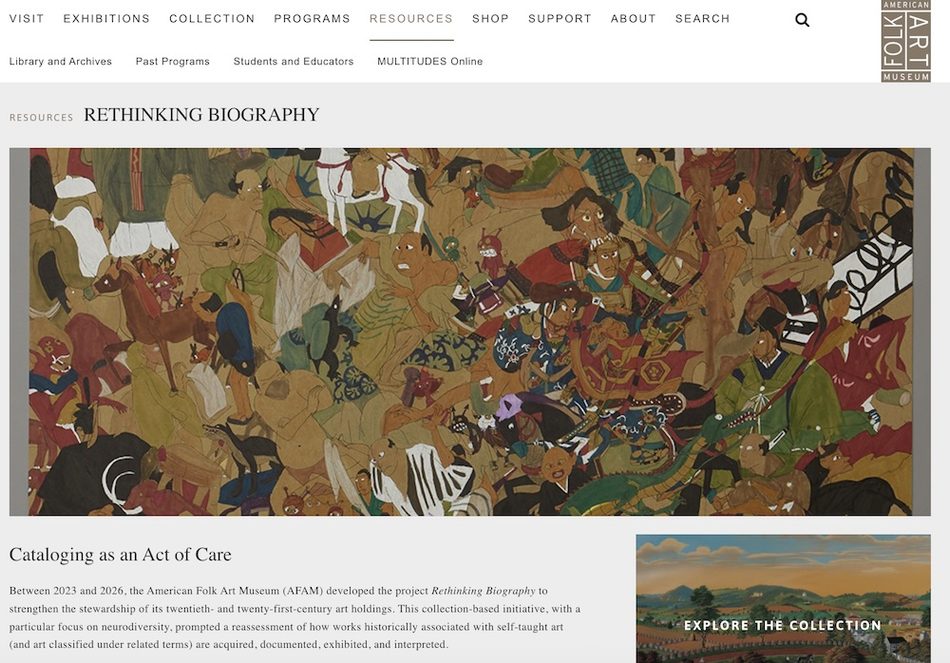
I recently supported a huge project at the American Folk Art Museum to rethink its artist biographies, and all that work is now online! I hope it offers insights to other museums and collections that have art by artists who have worked outside the mainstream and often been marginalized in the ways they are written about and exhibited. I wrote the majority of the 155 new biographies drafted as part of the process and also contributed to the white paper. It was a monumental, meaningful project to be a part of.
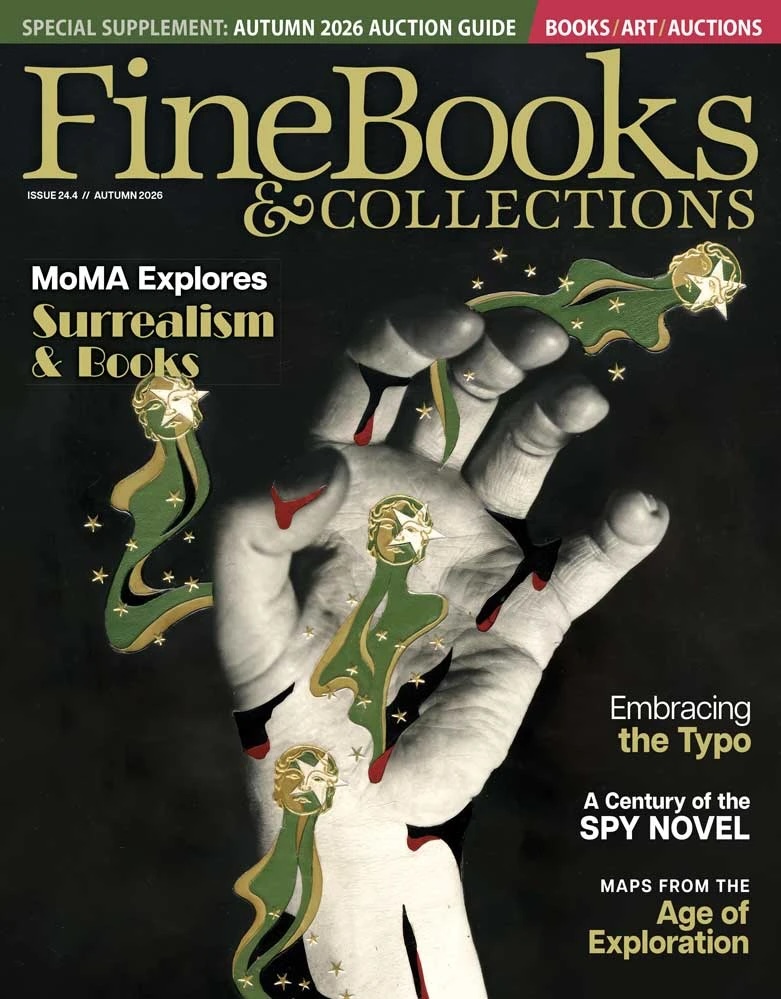
The fall issue of Fine Books & Collections that I edited is out now, with stories on embracing the typo, women’s labor in bookbinding, the library’s role in climate change, and much more. Pick up a copy in beautiful print here.
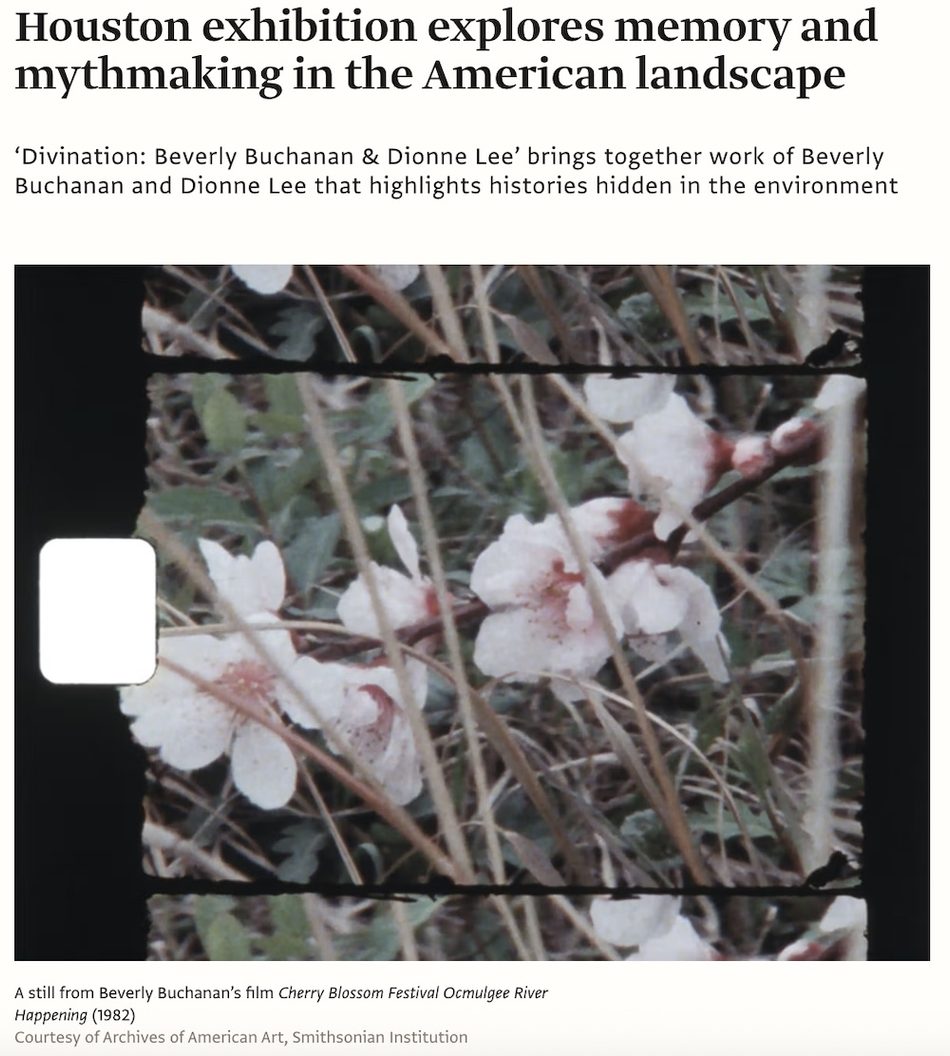
For the Art Newspaper, I wrote a preview of an exhibition at the Contemporary Arts Museum Houston on the work of Beverly Buchanan and Dionne Lee and how they have explored art as a form of divination and of uncovering American history. Read it online and in print!
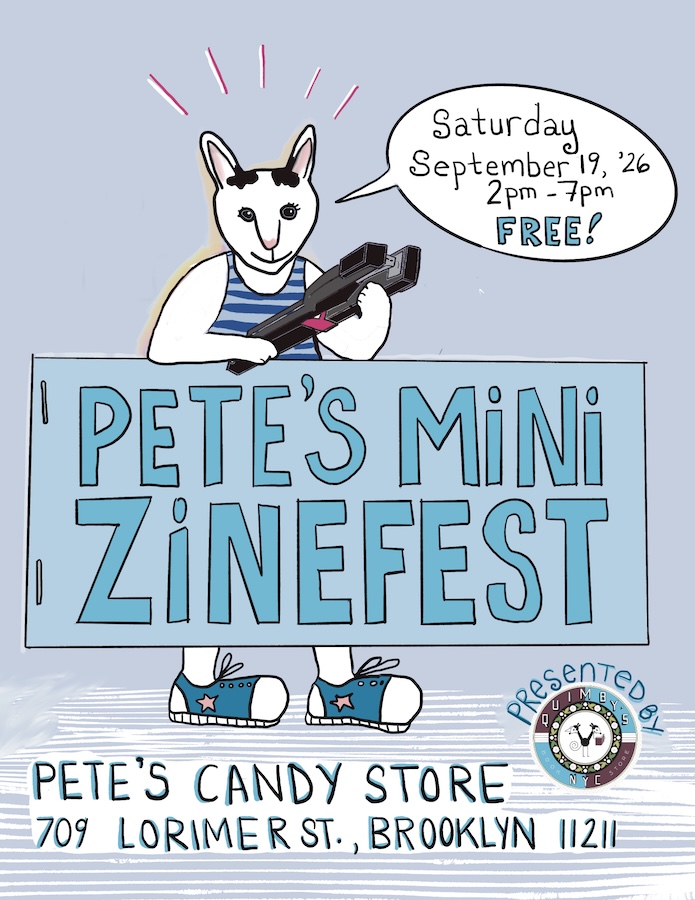
On Saturday, September 19, I’ll be joining the Pete’s Mini Zine Fest! It’s presented by Quimby’s NYC at Pete’s Candy Store in Williamsburg and is free to stop by and browse zines great and small from a variety of local makers.
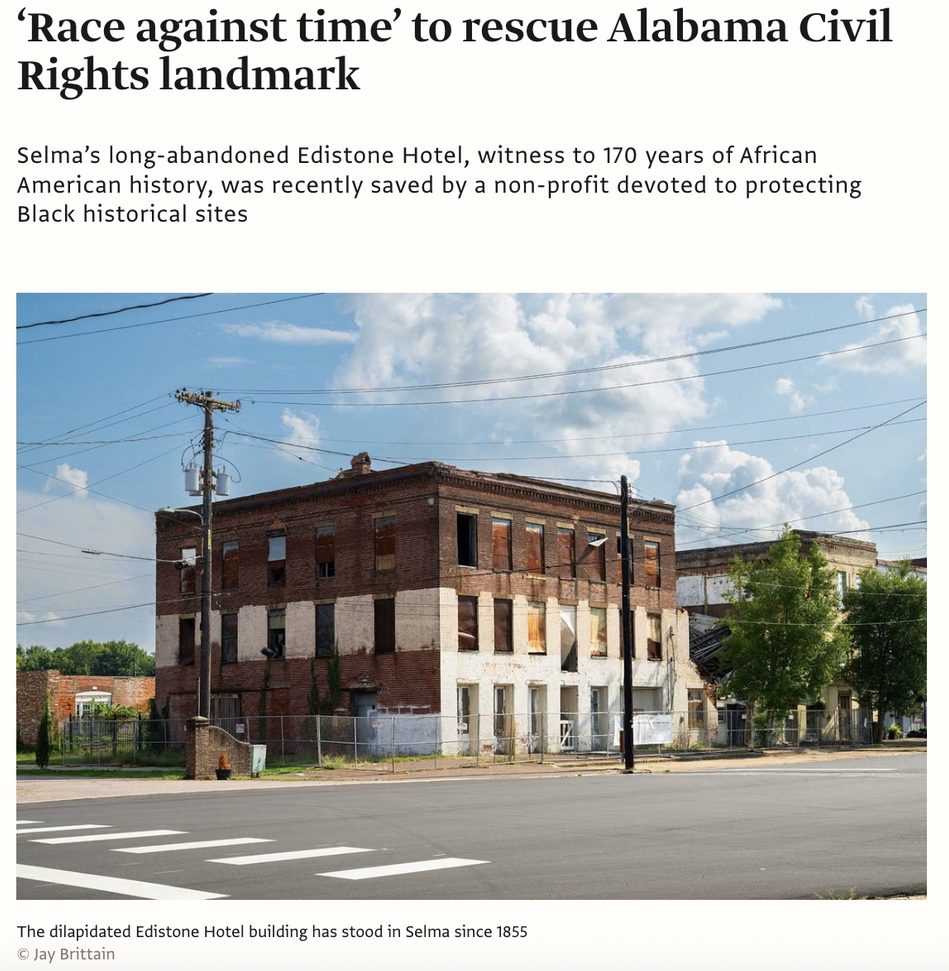
For the Art Newspaper, I covered the preservation efforts for the Edistone Hotel, which has stood in downtown Selma, Alabama, since 1855 through the history of slavery, the Civil War, Reconstruction, and the Civil Rights Movement. After years of neglect, it’s being reimagined as a community hub. Read the full story here.
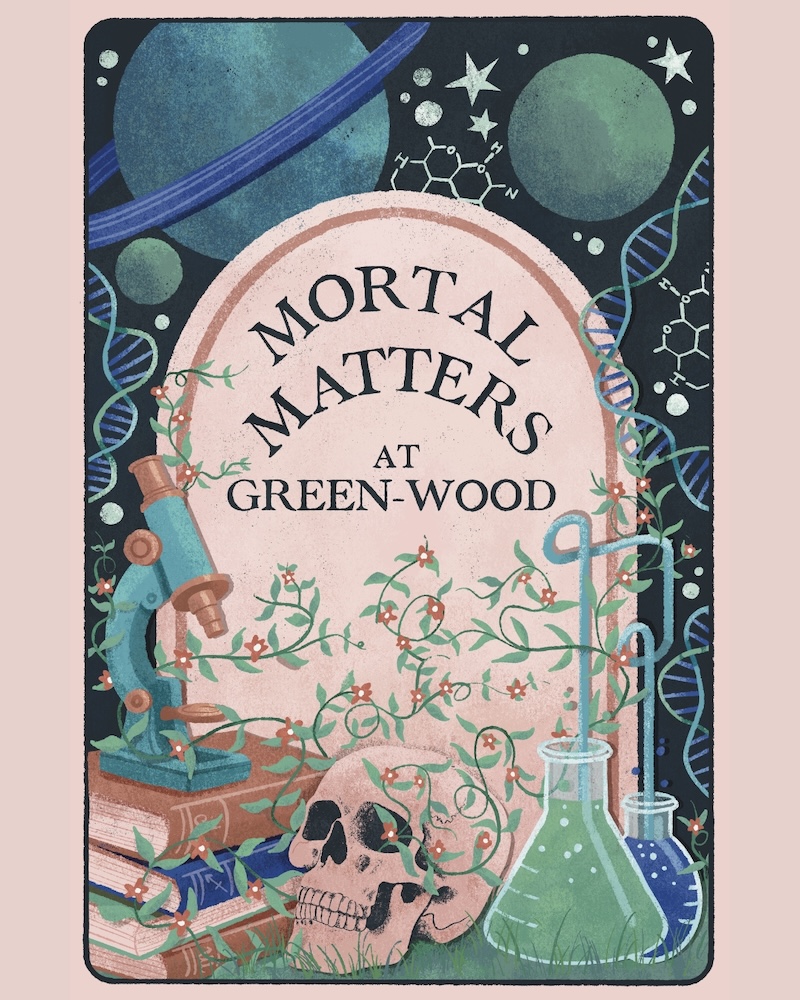
On Sunday, September 20, I’m joining the Mortal Matters happening at Green-Wood Cemetery in Brooklyn to lead a walk on the past, present, and future of the grave. The schedule of the full weekend of (free!) events offering “a rare chance to engage mortality on Earth and beyond it” is online.
For the Art Newspaper, I wrote about the preservation of the Prairie House in Norman, Oklahoma, designed by modernist Herb Greene in an organic shape made from cedar planks:
“While cities across the United States were being transformed by sleek glass towers in the mid-20th century, on the Great Plains a more fantastic vision of Modern architecture was being built. Now known as the American School, this rebellious strain of design had no boundaries in style, form or materials.” Read the full story here.
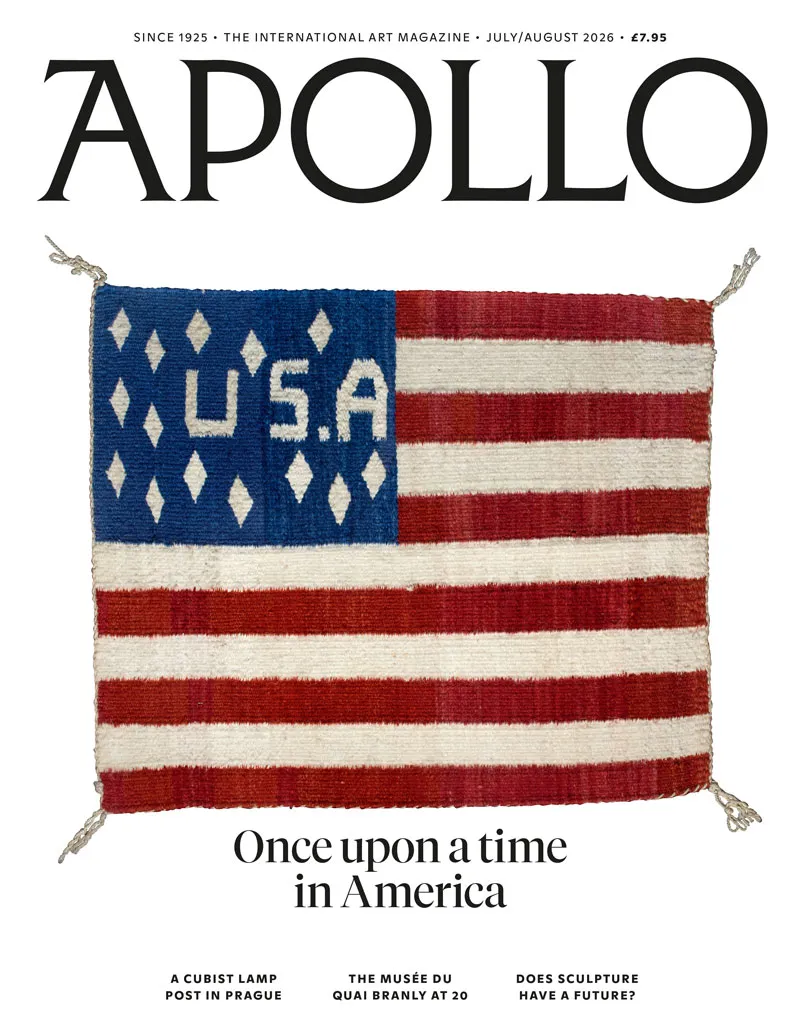
I wrote the cover story for the July/August 2026 issue of Apollo magazine. It explores the expansion of the New York Historical museum in the context of America’s 250th. Find it in print and online!
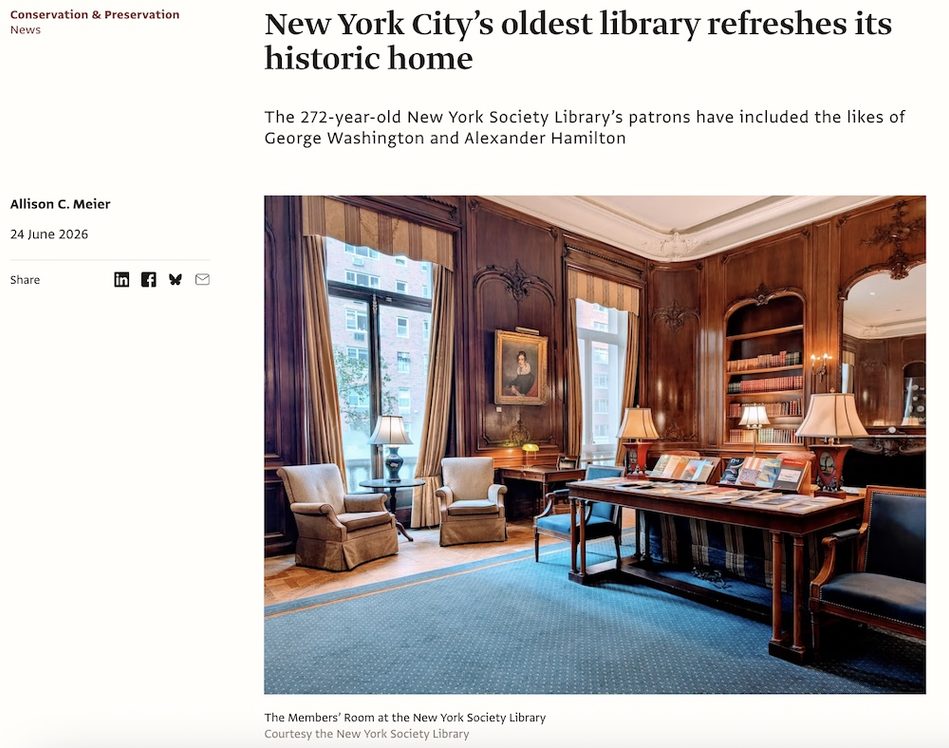
For the Art Newspaper, I reported on the recent refresh of the New York Society Library. Established in 1754, it’s considered the oldest library in New York City. You can read about how they are reimagining their historic space on the Upper East Side.
New book alert celebrating my home and the great city of New York! I authored An Opinionated Guide to New York Architecture for the UK-based Hoxton Mini Press. It’s a compact, photo-illustrated book featuring over 70 sites I think represent the diverse history of local design: “From Brooklyn brownstones to swaggering skyscrapers, Art Deco icons to Brutalist behemoths—New York’s ever-evolving skyline traces its astonishing history.” Available now in the UK and in the US.) Take yourself on some summer exploring!
On Sundays in August, I’ll be teaching the online class Speak with the Dead: Understanding Cemetery Symbolism for Morbid Anatomy. The four virtual sessions will each cover a different era of cemetery symbolism and how it evolved from the visual expression that came before. Each will include recommended readings and a prompt for exploring symbolism on your own, perhaps to consider what message you might like to leave behind as a final statement. Register here!
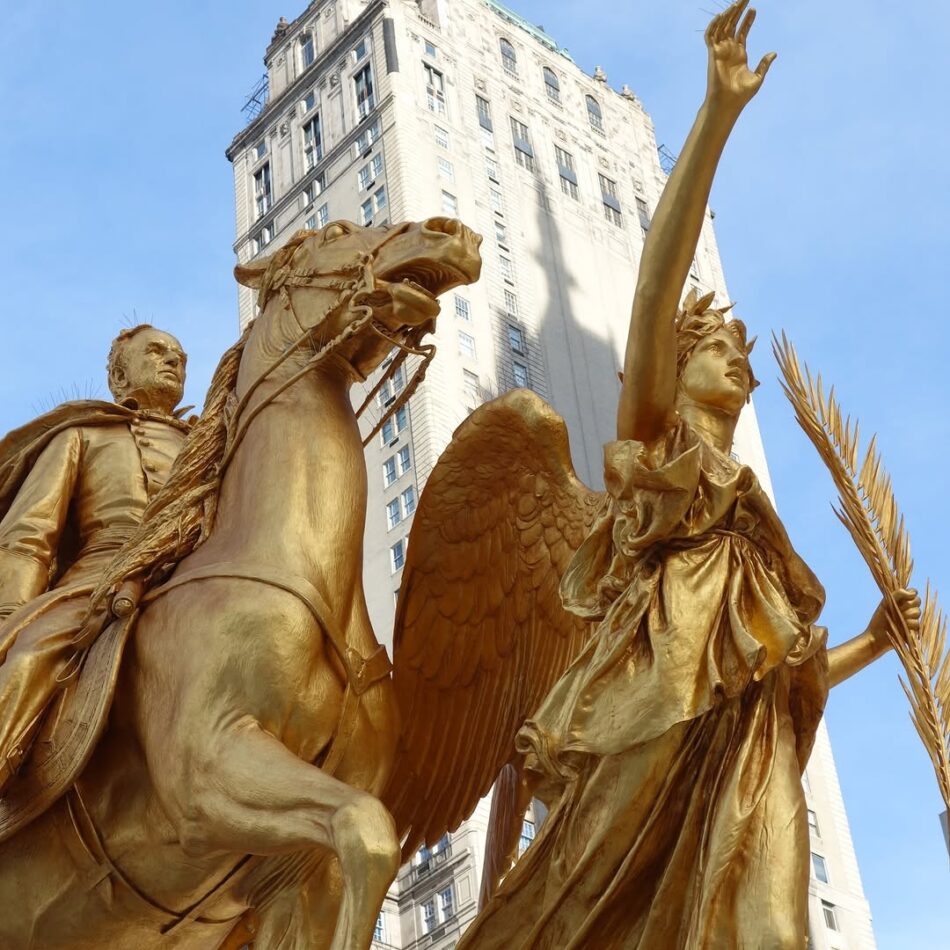
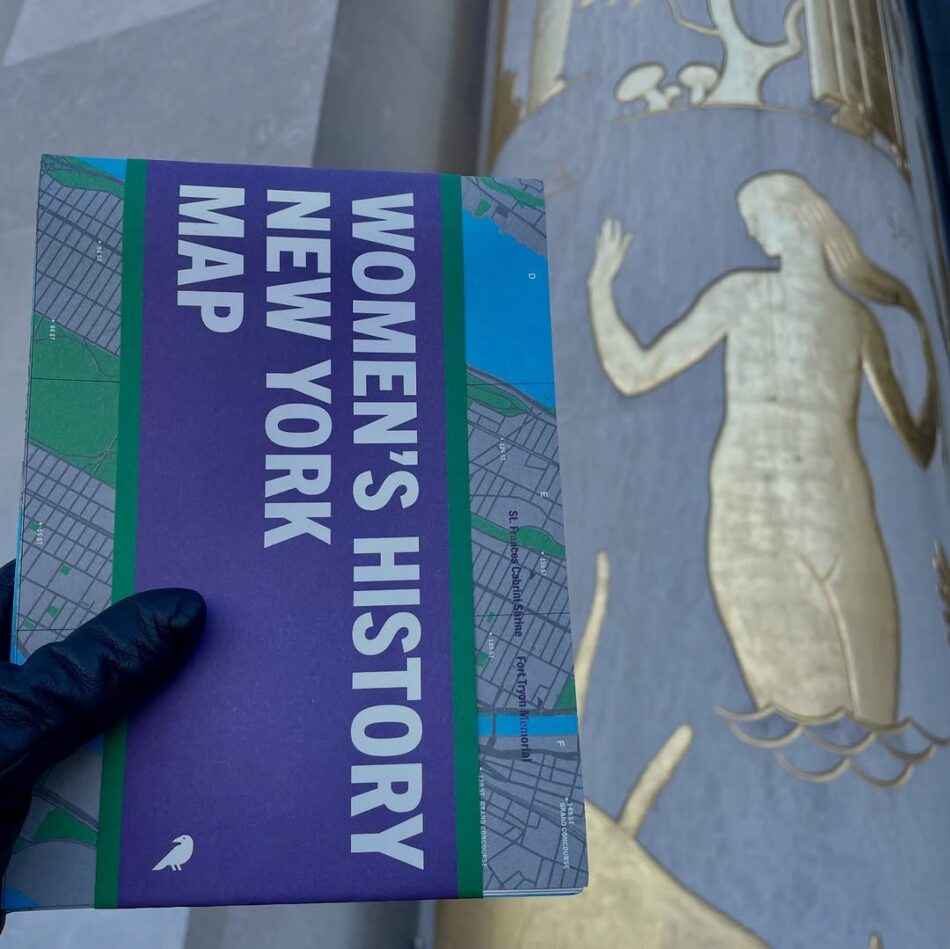
To coincide with the release of the Women’s History New York Map I authored for Blue Crow Media, I’m leading a Hidden Muses of New York Sculpture Walk on June 13. We’ll recover the overlooked stories behind some of the city’s most iconic public art, where behind the faces of angels, goddesses, and allegorical figures, there are unheralded women’s stories. I’ll have maps on hand for sale, too! Register here.
Sites threatened by federal erasure and rollbacks to public land conservation are spotlighted on this year’s list of America’s 11 Most Endangered Historic Places from the National Trust for Historic Preservation. I reported on it for the Art Newspaper:
As celebrations of the US’s semiquincentennial kick into gear, many of the historical sites that recognise the country’s diverse, complex history are in peril. … This year, the list concentrates on sites that reflect the assertion in the country’s founding document that all people are “created equal”. The sites range from gathering spaces used for organising for equal rights to places of worship that once served as refuge for their communities. Yet federal censorship, development, neglect and shortfalls of funding have put them all under threat.
For the latest issue of ArtDesk, I rounded up some of the greatest trees in the United States, from those that traveled to the moon to those that have endured centuries of change. You can find it in print! If you’re in the Oklahoma City area, free copies are at Oklahoma Contemporary.
For the Art Newspaper, I reported on Brooklyn’s Green-Wood Cemetery opening its new welcome center in a restored Victorian greenhouse:
Green-Wood acquired the landmarked greenhouse from McGovern Florists in 2012 for $1.6m. At the time, it was in a deteriorated condition, with damage to the glass and its wooden frames rotting. While restoration progressed over the years, breaking ground for the new centre that wraps around it in an L shape did not take place until 2023. Where once mourners stopped in to buy flowers on their way to visit graves, visitors can now orient themselves with the new tile map of the cemetery covering the greenhouse’s floor.
The hints of spring we’ve been having inspired me to make a scrappy mini zine to encourage some local exploring, with its pages highlighting some of NYC’s historic artist studios that are available for you to visit! (Or to keep an eye on for their rare openings.) I gathered 13, from Robert Rauschenberg’s converted chapel and Louise Bourgeois’s lovingly cluttered townhouse to Walter De Maria’s cloistered former transformer station and John A. Noble’s leaky houseboat. You can pick up a copy on my Etsy.
Just in time for spring walks and wanders, it’s a brand new Women’s History of NYC Map! It was an honor to author this for Blue Crow Media (my fifth for them) and chart 50 of the famed and little known markers, landmarks, monuments, and other places where you can remember the women who built the city we know today. It features beautiful photography by Anna Morgowicz of sites across the five boroughs, from artistic wonders like the only surviving sculptural environment by Louise Nevelson to the recently unveiled state park dedicated to trans activist Marsha P. Johnson. Pick up a copy here!
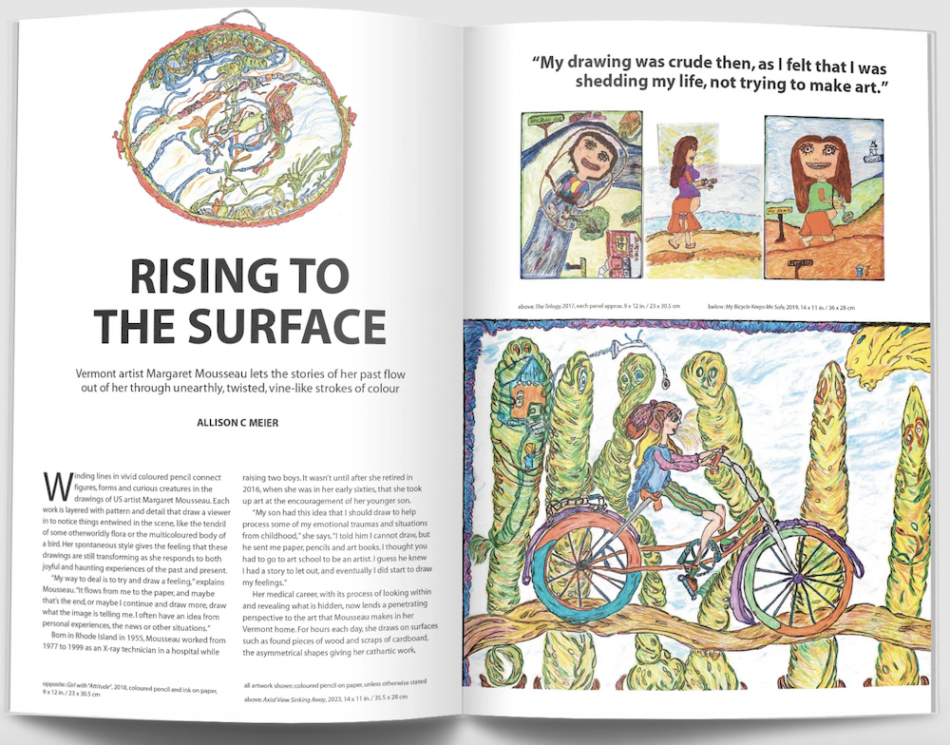
The spring 2026 issue of Raw Vision magazine includes my feature on artist Margaret Mousseau, a self-taught artist who uses intricate colored pencil drawings to reflect on her life. You can find the full piece in the print issue and read an excerpt online:
Each work is layered with pattern and detail that draw a viewer in to notice things entwined in the scene, like the tendril of some otherworldly flora or the multicoloured body of a bird. Her spontaneous style gives the feeling that these drawings are still transforming as she responds to both joyful and haunting experiences of the past and present. “My way to deal is to try and draw a feeling,” explains Mousseau.
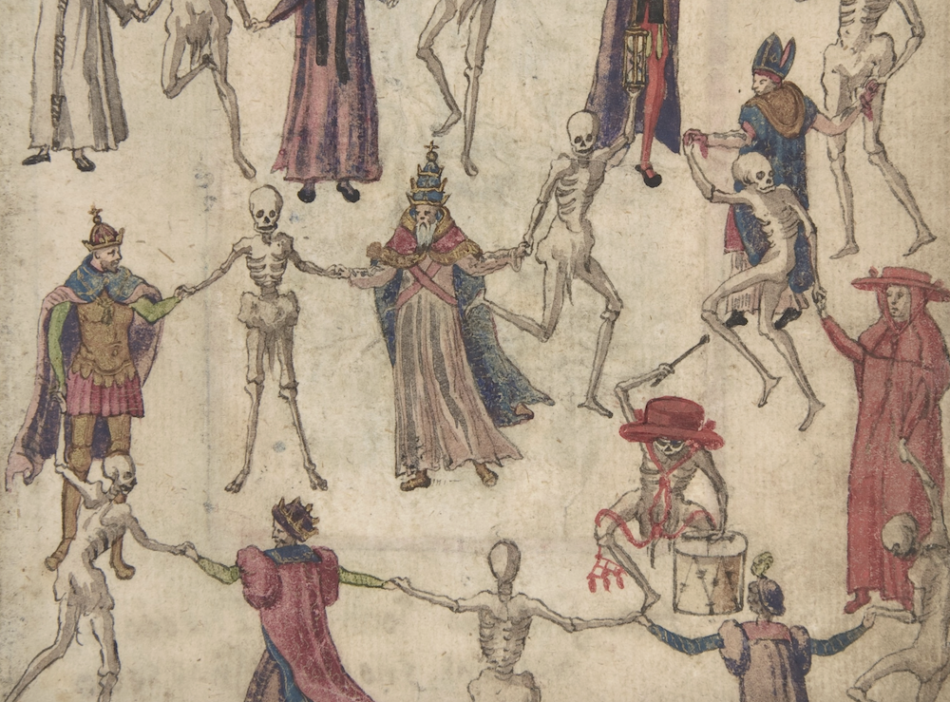
On Monday, April 20, I’ll be giving an online talk for Morbid Anatomy on the art of the dance of death. Learn about how in times of uncertainty and calamity, the danse macabre has resurrected again and again. From Hans Holbein’s playful mocking of the elite to Alfred Rethel’s 19th-century meditations on cholera, to haunting etchings of World War II by Percy Smith, this mortal dance has persisted in our visual culture. And still now, its bony hand beckons us to join in its endless waltz as artists find new ways to interpret it in the 21st century. Register here!
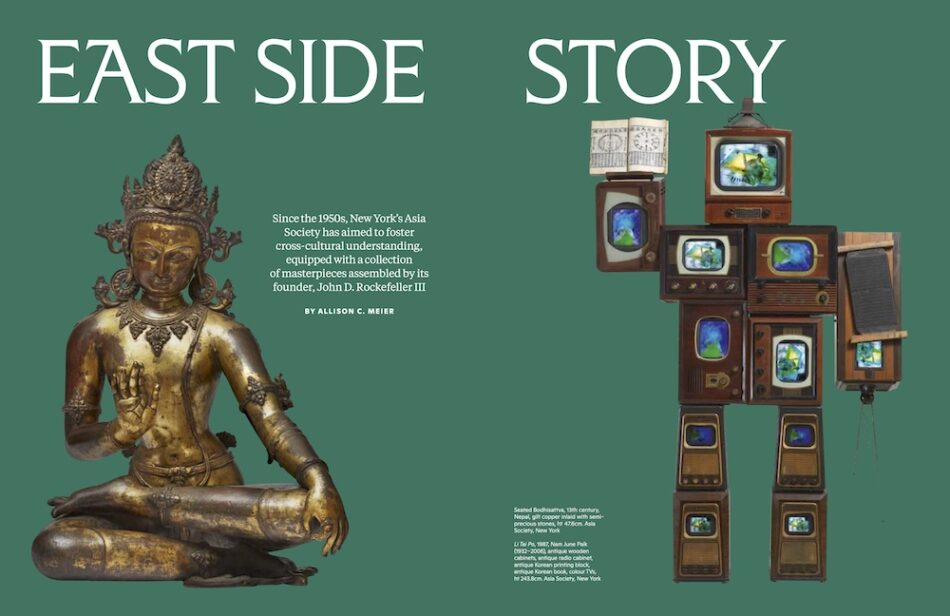
In my first feature for Apollo magazine, I reported on how the Asia Society is marking its 70th year. You can read the story online and in print:
When John D. Rockefeller III founded the Asia Society in New York in 1956, many Americans associated Asian countries with war and political upheaval. … He felt that art and culture were powerful conduits for developing what he called “person-to-person” experiences. “Good relations on this level are necessary if we are to strengthen friendship bonds with that region of the world,” he said in an interview with the International News Service in 1957.
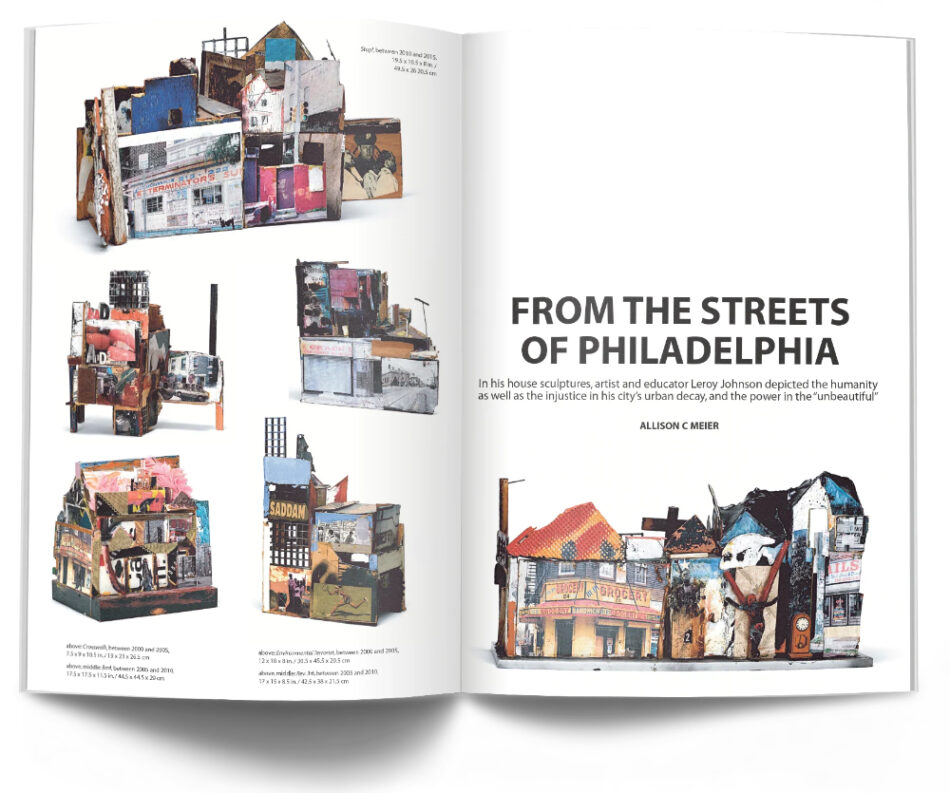
For the winter 2025/26 issue of Raw Vision magazine, I wrote a feature on artist Leroy Johnson. The full story is in print with an excerpt shared online. The late Johnson transformed discarded materials he found on the streets of Philadelphia into complex sculptural works that tell the stories of Black life.